

0·
5 hours agoAre you going to keep repeating NATO slander against the Serbs?
Are you going to keep repeating NATO slander against the Serbs?
No one wants to be part of Russia, it can only be forced.
Crimea tried twice to rejoin Russia, once in the early 90s and once in 2014 when they overwhelming voted for it.
The DPR and LPR spent 8 years between 2014 and 2022 petitioning the Russian government to allow them to join Russia.
Millions of Ukrainians fled to and now live in Russia.
Ukrainian militants regularly complain about how many people in Eastern Ukraine refuse to leave their homes because they are eagerly waiting for the Russians to arrive.
Many people in Eastern Ukraine identify with Russian culture and would much rather be part of Russia than of the corrupt, dysfunctional, nazified Ukraine.
Every year tens of thousands of immigrants from neighboring former Soviet states arrive in Russia.
Ukraine is once again projecting its own losses onto the Russians. Only one of the two countries is desperately abducting old and disabled men off the streets to fill the trenches, and it’s not Russia.
In retrospect we will be praising Iran’s IRGC as the number one environmentalists in the world.
All those things only happened in your deranged fantasies. Russophobia is a media-induced psychosis. Seek help.
The Kiev regime could always surrender.
If Russia wanted to kill Ukraine’s civilian population, millions of Ukrainians would not have fled to Russia.
If Russia wanted to kill Ukraine’s civilian population Kiev would look like Gaza.
If Russia wanted to kill Ukraine’s civilian population, the war in Ukraine would not have the lowest civilian to military casualty ratio of any modern conflict.
If Russia wanted to kill Ukraine’s civilian population, there would not still be millions of former Ukrainian citizens living in the liberated Donbass and thousands of Ukrainians choosing to fight for Russia.
The war started because the West orchestrated a fascist coup in Kiev that brought to power a militaristic Neo-Nazi regime that started a war against its own people in Eastern Ukraine. Russia intervened to protect those people and stop a genocide.
The Kiev Nazi regime was already waging a war on its own people for eight years before Russia intervened to stop the genocide. Russia did for the Donbass what the world should have done a long time ago in Palestine.
Lol, nope. That’s the funny part. No elections allowed in “democratic” Nazi Ukraine.
Love how all the butthurt Nazi defenders are still downvoting your posts, when even the Russia-hating Polish government is calling the Kiev regime out for its Nazi glorifying.
Western liberals are going to be the last idiots left still defending the indefensible.
The one thing that stuck with me the most is how even as a child i recognized, not consciously but i had this feeling, that i was living in a society in decay, looking around me at the leftovers of socialism that were already beginning to crumble in the 90s, the abandoned factories and the infrastructure, the brutalist architecture that had seen better days, and the monuments and the murals that even to a child’s mind exuded hope for a better future for humanity, a future among the stars even, that all felt like i was living in the ruins of a better world, an ancient fairy tale kingdom of old that now no longer existed except in the ruins around me and in the stories of the elders. I guess the kids today would call it post-apocalyptic, and in a way it was exactly that.
I was never nostalgic for the 90s and 2000s, because they were not a good time in Eastern Europe, instead already as a child i was nostalgic for a past that i never lived through, or perhaps for a future that was promised that never came…
The 2000s may have been dark in America but for most of the rest of the world the 90s were even darker. For sure in Eastern Europe, where i grew up, the 90s were apocalyptic, mass social and economic collapse, suddenly millions of people without jobs, hyperinflation, people lose their entire savings, drug crisis, homelessness, suicides, crime rampant, the West buying up our resources and dismantling our industries for pennies. And the early 2000s were not that much better.
The late 2000s then started to give the impression of improvement but in reality people were leaving in droves and going to the West, Western corporate interests had thoroughly penetrated Eastern Europe, and one Eastern European state after another joined NATO and the EU which locked them into the imperial vassalage structure. Some people got very rich during that time, politics became incredibly corrupt, and average people, despite the overall appearance of recovery after the disaster of the 90s, got left further and further behind. Now just below the oligarchic elite that formed in the 90s there formed a cosmopolitan upper-middle class that considers itself worldly and European, that takes expensive vacations in Europe every year and works for or with Western companies, that own nice houses and multiple cars, while below them the vast masses just scraping by in the former industrial towns and rural villages that were left behind. Culturally we were completely colonized in the 90s and 2000s, consuming huge amounts of imported Western but especially American cultural products. Also Yugoslavia got bombed and torn apart by brutal wars in the course of the 90s.
Anyway, there isn’t much to say about the 2000s imo. War in Iraq and Afghanistan, continuation of the eastward march of the Euro-Atlantic Empire, even Russia was trying to integrate itself into the Western liberal order. We were taught a whole load of crap in school about the wonderful benefits of globalization and the EU, we were lied to about the Middle East, about Muslims, about American “democracy”. “Finally we’re now part of EU and NATO, we have joined the civilized world, we will have prosperity and freedom!”… The Internet was becoming more and more widespread and being widely adopted by the mainstream of society (yes, Europe lagged behind the US in this somewhat), video games were still pretty good as the industry was still fairly new, music was for the most part bland and generally reflecting the nihilism of the “end of history” era, and like TV and movies completely dominated by American cultural imports that brainwashed Europeans into adopting the world view that America was selling.
From after the dissolution of the USSR up until 2012 it felt like the world was asleep, functioning on autopilot. Thankfully that era is over. Thankfully we had crisis after worsening crisis…2008 crash, 2014 Russia finally wakes up and pushes back, by 2016 liberalism enters into a crisis from which it will never again recover, 2020 Covid… In short history is finally back.
I didn’t understand at the time what was happening of course. As a child in the 90s and a teenager in the 2000s all of this passed me more or less by and i didn’t consciously process it until much later. My concerns were much more mundane, and of course i still believed the entire “study, work hard and you will have a better life than your parents” fairy tale.
But i did see how it affected my parents and my family, and the kind of stress it put them under, the kind of fears they had that they then imprinted onto us kids, the prejudices that i had to consciously struggle to unlearn.
The one thing that stuck with me the most is how even as a child i recognized, not consciously but i had this feeling, that i was living in a society in decay, looking around me at the leftovers of socialism that were already beginning to crumble in the 90s, the abandoned factories and the infrastructure, the brutalist architecture that had seen better days, and the monuments and the murals that even to a child’s mind exuded hope for a better future for humanity, a future among the stars even, that all felt like living in the ruins of a better world, an ancient fairly tale kingdom of old that now no longer existed except in the ruins around me and in the stories of the elders. I guess the kids today would call it post-apocalyptic, and in a way it was exactly that.
This strain of the German “left” emerged after reunification, convinced that German national character is irredeemably poisoned by the Holocaust and that the sole path to redemption lies in unconditional, uncritical, near-fetishistic support for the state of Israel.
They are the canary in the coal mine of the European left. They represent what happens when historical guilt curdles into reactionary fetishism, when class analysis is abandoned for moral posturing, and when the memory of one genocide is weaponized to justify another.
More than that it is indicative of a deeper pathology at the heart of Germany and its culture of “guilt pride”, where they now express their supremacy over others through how well they can perfomatively self-flagellate, how uniquely introspective over their own history they portray themselves as.
Meanwhile in practice demonstrating that they have learned less than nothing, as they once again support fascism, racialized supremacism, genocide, ethnic cleansing, and German tanks and German missiles being used to wage a war in the East and murder Slavs cast as “Untermenschen” (“Orcs”).
For me it was something my family was always into so i fell into it as well. Yeah hiking is relaxing for me too, at least mentally.
The last big hike i did is more than ten years ago now, but i still enjoy one or two day trips.
I usually had a 70 or 80 liter backpack i think, because of having to carry part of the tent, plus sleeping mat, sleeping bag and supplies for however many days. If you only go for a one or two day trip you obviously don’t need one that big. The girls in our group had smaller ones, maybe 50-60L or so.
As for typical distance or hours in a day, that depends entirely on you and your group’s level of fitness and what kind of route you plan. You can take it easy or you can push yourself. I find the first option much more enjoyable.
For example my last big hike was supposed to be a week long and cover about 45 km, but we cut it short at around 30km after five days because a person in our group was not feeling well. Might not sound like a lot but when you’re going up steep elevation, difficult terrain, with people of varying fitness levels even 6km a day can be a challenge.
We basically hiked from the late morning, after we got up and everyone had breakfast, until the late afternoon when the sun started to go down because you don’t want to be caught in the dark without already having made camp. On average I would guess 6 hours spent just hiking, though some days were shorter, others longer.
The first day is usually spent getting through the forested part of the mountain. Depending where we would start this could be at least 6-700m elevation difference you need to climb. Then camp at the altitude just before the forest ends and there’s only small bushes, grass or rocks.
Then the second day we would push for the summit ridge and reach it by the end of the day and camp there. Then the next couple days we would hike along the ridge from peak to peak, and then at some point start descending again mirroring the first and second days but in reverse.
The second day was always the hardest because that’s when the steepest constant climb happens. Might only be a fairly short distance but it’s brutally steep elevation all the way up. Almost 1000m elevation difference. Once you’re up on the peaks there’s some ups and some downs but not that much, so it’s more relaxing and you can go for longer distances.
Going back down at the end is actually where you have the highest risk of injury because that’s when you’re exhausted and likely to go faster than you should, and it puts a lot of stress on your joints.
A typical day would be like this: wake up at 7-7:30, eat, fill up on water (we would usually camp near a stream), slowly pack, and start walking at around 9-9:30, hike until some time after midday, pause a half hour for brief lunch break, then hike until 16:30-17:00 (depends on how fast we were when we would reach the site we wanted to camp at), set up tents, make dinner, and by the time you’re done eating it’s usually past 19:00 and getting dark, and you don’t want to be wandering around in the dark so we would just chat, maybe play some card games sitting around the tents and then go to sleep.
The highest peak we climbed was just above 2500m (actually the highest one in the entire southern Carpathians range, which is not much compared to the Caucasus that goes up to 5k).
We wouldn’t usually make fires because once you’re past the tree line there’s nothing to burn. But we did have a campfire on the first day. Don’t know if this is still allowed now with fire safety regulations, but back then it was fine, you just needed to know how to make a fire pit out of stones.
This is in summer of course. Winter hiking is very different and i would not be hiking those kinds of trails in winter. I would keep them much shorter and much easier.
Yeah when i went hiking in the Carpathians we didn’t have phone signal either past a certain point. It can be pretty scary especially if you’re on a multi-day hike and you know you’re at least a day or more away from civilization if something should happen, and you only have what you carry in your backpack.
I never went with tour guides but i grew up with family who had gone there very often and they were basically able to teach me how to be safe and what routes to follow and so on, so when i went on my own with friends i was able to be the “guide” (plus we had maps of course).
You do meet the occasional shepherd who might give you directions, but that’s about it.
I didn’t use hiking sticks when i was younger but now i think i will probably start using them as it makes it easier on the knees.
I think the absolute most important piece of gear to have are very good hiking shoes. Keeping your feet healthy is one of the essentials. Getting blisters when you still have days of walking ahead is not fun. Proper clothes in general relly matter a lot.
A small gas burner to heat up your food is useful too but i had to learn the hard way they don’t always work too well past a certain altitude. Other than that idk, i guess a good backpack that distributes the weight well. I never went hardcore rock climbing or anything so i can’t speak about that whole aspect.
And of course if you’re going to be camping make sure your tent is solid. One time we had holes in our tent and we were caught in a rainstorm practically almost at the top of the mountain at 2000m+ altitude. The soil was almost too rocky to properly anchor the tent so we sheltered it behind an outcropping so it wouldn’t be blown away by the storm wind. That was a pretty miserable night, with puddles in our tent, wet sleeping bags and so on. Luckily it was summer so the days were sunny and warm. You also get very easily sunburned at that altitude by the way.
Beautiful pictures. The lower part of the landscape reminds me of some hikes i’ve done in Romania in the Carpathians. They’re not as high of course, we don’t have many of those high stony peaks, but you do find some occasional snow even in summer around the high altitude lakes that don’t get too much sunlight, so i’ve had a few slides myself. I would love to go hiking in the Caucasus some day. I assume this was in Georgia, based on the name?
Hiking is very relaxing, and being in nature can really improve your psychological wellbeing. You just need to be prepared, like the hat and sunscreen are essential in the summer.
Depends on how long i think i will be out for and where. If i’m just going out casually: phone, wallet, keys, sunglasses, hand sanitizer, tissues, all of these fit into my pockets. Headphones if i’m expecting to get bored.
Larger items would be: hat and high SPF sunscreen if it’s sunny, umbrella if it’s rainy, gloves, scarf and warm hat if it’s cold. If i’m walking i can carry them in a small backpack for when i need them, or leave them in the car if i’m driving.
If I’m travelling then also charger, portable battery, printed travel documents (in case my phone breaks), pen.
If i’m going out on a day hike i would add in my backpack a bottle of water or two, a snack, band-aids, extra pair of socks and a shirt.
If i’m hiking where there are bears i’d also take pepper spray with me. I’ve seen bears up close while hiking but never had to use it, luckily.
The first one is much more readable for me.

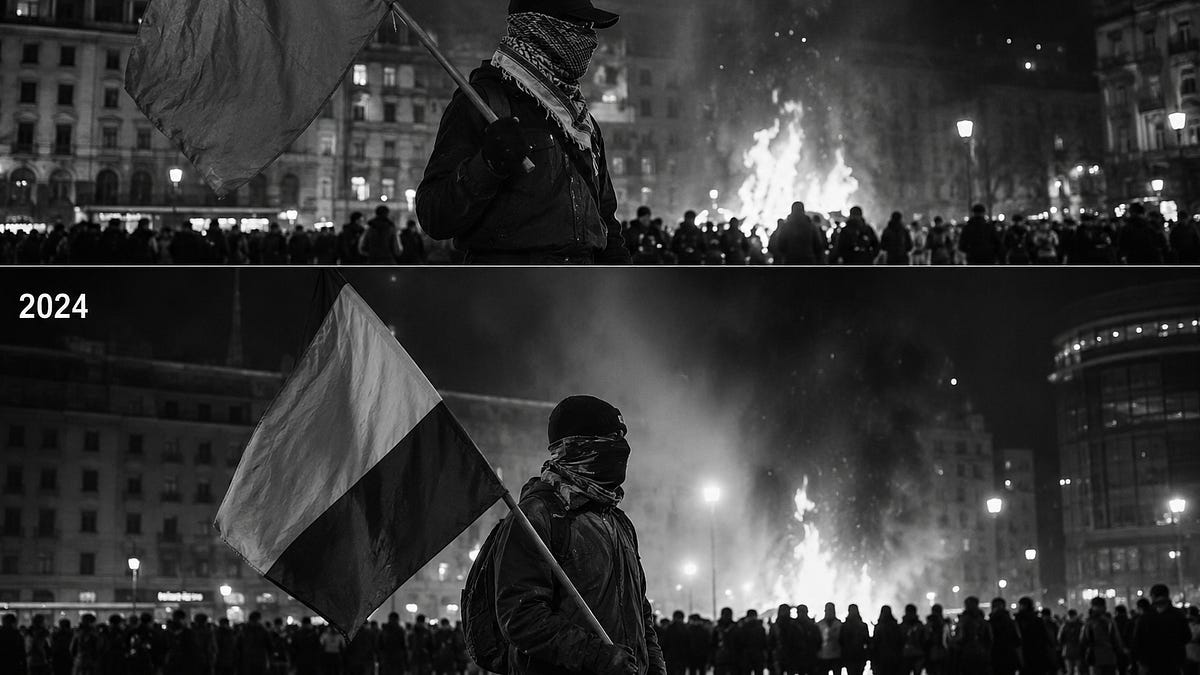
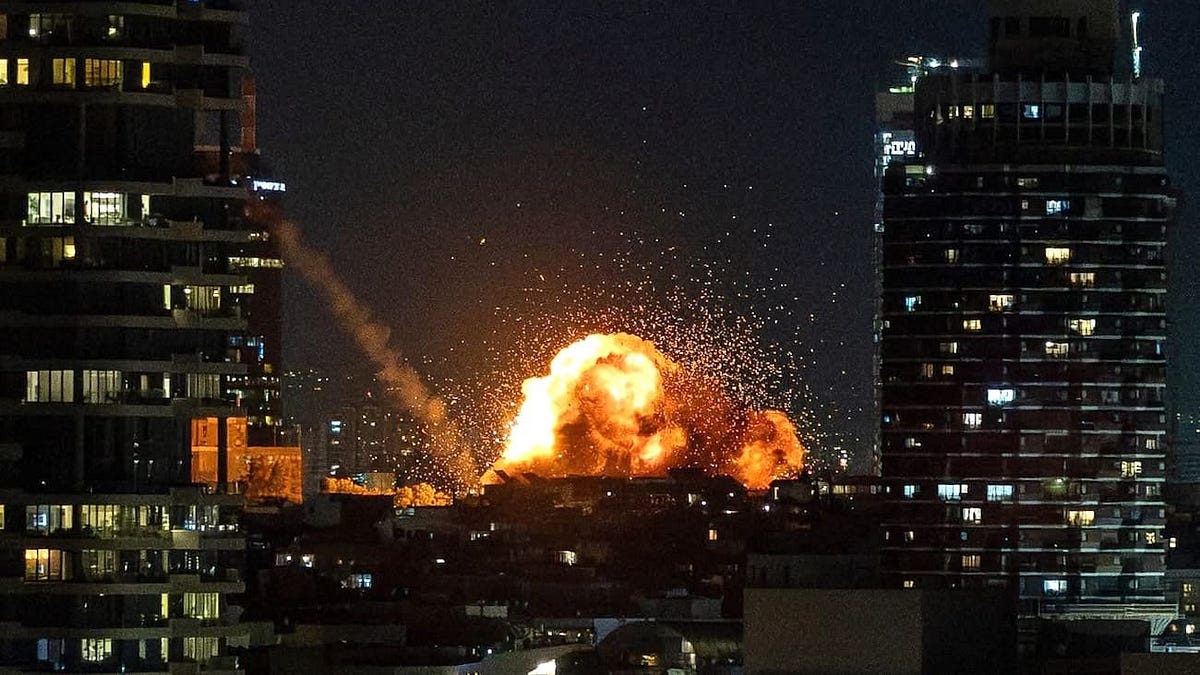



Russia is not my enemy. The EU is my enemy.