• 5 Posts
  • 145 Comments
Joined 1 year ago
cake
Cake day: June 20th, 2025

help-circle

  • I’m from Germany where as the article point out small solar installations are quite common e.g. on balconies, but while they are obviously vastly preferable compared to not having them, I still see them as somewhat of a sign for systematic failure.

    There’s just no way it makes more sense for everyone to do some small installation with maybe even some batteries, instead of doing large scale deployments where efficiency of scale drives down cost and complexity.

    The solution really should have been to involve people by doing large solar parks and giving people the ability (maybe subsidized) to purchase ownership shares. And through that letting them participate in the profits and gaining mind share.

    We easily have the space for it. Roughly 20% of agricultural land is used for energy crops source, which is much less efficient and also worse for biodiversity, id you let stuff grow around/under solar panels.

    Just take some of e.g. 750 million hectares used to plant rapeseed for biofuels and put solar on them. Rather than trying to do lots of small custom home installations.



  • (all this is just based on what I’ve read, I have no qualifications on this topic)

    My understanding is that french and British aircraft carriers differ in the way they launch planes. France uses a catapult, which requires the frame of the aircraft to be reinforced, the UK does not.

    The UK also is already part of a separate program called gcap to develop their next gen fighters together with Japan and Italy. This is already well underway and work share has been decided on.

    As I’ve already mentioned in this thread, the whole thing about the next gen programs is not just about having the aircraft at the end, but also retaining/building up the domestic industry and know-how.

    Sweden might be interested to team up (although theyd probably prefer a lighter/cheaper aircraft than Germany), but my understanding is that Germany and Sweden both have similar gaps in their know-how. I think it has to do with some hot parts of the engine, which in Europe France or the UK would be the experts in. You can ofc develop them yourself from scratch, but that is costly and more importantly likely takes too long.


  • But the military requirements are only half the issue, the other half is building up and retaining institutional knowledge in building auch planes. Otherwise Germany could probably solve their problem easily by just buying whatever gcap ends up producing.

    What I find quite fascinating is that on one hand 100 billion is a fuck ton of money, on the other hand it’s like 2 quarters of profit for Google or less than what Meta is planning to spend on data centers in 2026 (they also spend like 70billion on the Meta verse). I guess money wasn’t the direct issue right now, but France (a large nation) will have trouble with funding when they decide to do it by themselves


  • I think with the German TÜV numbers it is not quite as clear cut.

    My understanding is that telsa unlike other manufacturers doesn’t require regular inspections to keep warranties. So it might just be that other brands have just as many faults, but they get caught and fixed during those regular inspections, rather than at the official TÜV. Which wouldn’t show up in that dataset.

    I haven’t seen any studies accounting for that discrepancy, but I’d be curious to see whether the higher failure rate persists after accounting for that.


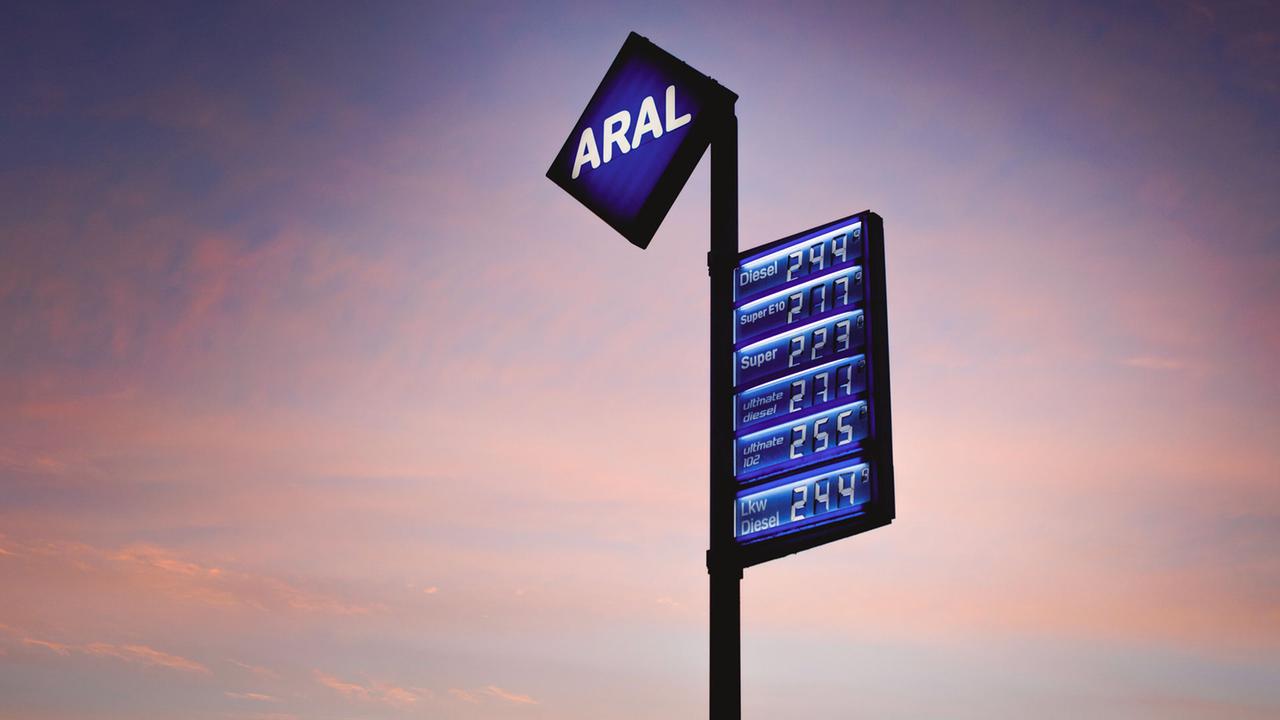
  • Das wäre natürlich objektiv der Richtige weg, nachdem die Spritpreise in Deutschland anscheinend deutlich mehr gestiegen sind als in Nachbarländern.

    Ansonsten könnte man aber vielleicht auch einfach den Markt machen und das Preissignal wirken lassen. Eine Abhängigkeit von Importen hat halt auch Risiken, welche sich in den Kosten widerspiegeln sollten. Nachdem es Alternativen gibt muss das der Staat nicht unbedingt versichern.


  • Offensichtlich hat er massive Geld in die Taschen anderer geleitet und kommt jetzt damit durch. Wenn man überlegt für wie wenig Leute teilweise käuflich sind kann man davon ausgehen, dass Spahn sich mehr als genug Freunde gekauft hat.

    Davon abgesehen bin ich der Überzeugung, dass es im Rahmen der Anteilsverluste der großen Partein teilweise sogar leichter für die Führungsriege geworden ist sich zu halten. Normalerweise würde eine neue Generation von Politikern in der dritten/vierten Reihe anfgangen, sich hocharbeiten und dann auf Fehler warten. Aber wenn die Wahlergebnisse sinken fallen als erstes die hinteren Listenplätze weg, wodurch der Aufstieg schwieriger wird. Und die paar Plätze die es gibt werden dann mit den passenden Leuten wie Amthor besetzt.


  • Schon spannend wie weit wir uns von den jahrelangenDebatten entfernt haben in denen es noch darum ging, ob wir überhaupt bewaffnete Drohnen wollen.

    Was ich mich als Laie aber frage ist, wie sinnvoll man solche Drohnen auf Halde produzieren kann. Viel wichtiger erscheinen mir die Produktionskapazitäten ansich, aber die bekommt man vermutlich auch bloß durch Großanschaffungen.

    Mein Eindruck ist nämlich, dass es bei Drohnen im Verlauf des Ukrainekrieges konstante Änderungen gab auf die man reagieren muss. Anders als ein Panzer oder Jet der auch noch Jahrzehnte nach Anschaffung relevant ist, könnten Drohnen fürchte ich deutlich schneller veralten.

    Außer zu Trainingszwecken sollte man also denke ich einfach alles an die Ukraine senden und sich darauf fokussieren die Produktion und Lieferketten so aufzubauen, dass man eben die Fähigkeit hat einen Feind zu überlasten. Und dann das ganze aufrechterhalten, wenn der Konflikt dort endlich ein Ende findet.


  • Ja. Der schaden, den über ein Jahrzehnt Stillstand und Aussitzen verursacht haben ist immens, aber Merz hat eigentlich ideale Vorraussetzungen für einen Wandel.

    Nicht dass Scholz es tatsächlich versucht hätte, aber der hatte immerhin gegen eine Opposition in der eigenen Koalition, eine feindliche Presse und Budget-Restriktionen zu kämpfen.

    Merz hat eine Partei als Koalitionspartner, die letztlich umfällt wenn man nur etwas drängt, eine eher wohlwollende Medienlandschaft und ein gigantisches Sondervermögen. Und zumindest die Grünen als Opposition sind nicht auf einem Kurs prinzipieller Ablehnung aller Handlungen der Regierung, anders als es die Union selbst war.